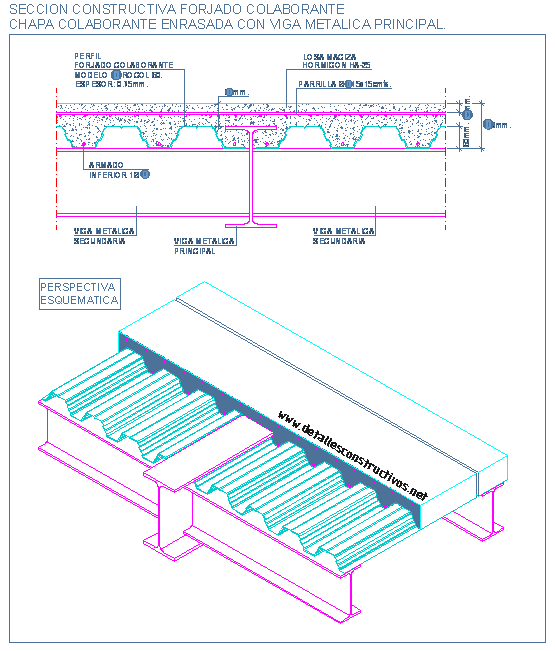
Deck beam design is a critical aspect of ship and marine structure engineering, requiring a balance of strength, stability, and efficiency. These beams support the deck, transfer loads to the ship’s hull, and impacted by complex forces during voyages. Understanding and optimizing deck beam design can lead to enhanced safety, performance, and cost-efficiency.
Historically, timber was the primary material for deck beams, but modern designs predominantly use steel and, increasingly, advanced composite materials. This shift reflects the advancements in engineering materials and practices, as well as evolving regulatory standards.

Strength and Stiffness Considerations
The primary function of deck beams is to withstand vertical loads and ensure deck stability. Thus, strength and stiffness are paramount. The beam’s cross-sectional area, material, and arrangement play crucial roles. I-beams, channels, and z-sections are common shapes due to their high strength-to-weight ratio.
Beam spacing and layout also impact strength and stiffness. Smaller spacing increases the beam’s frequency and buckling resistance. However, reduced spacing may hinder access and maintenance, so a balance is needed.
Material Selection
Steel remains the dominant material, given its high strength, ductility, and established manufacturing techniques. High-strength, low-alloy (HSLA) steels are popular choices due to their superior strength, crashworthy properties, and weldability.
Composite materials, like glass or carbon fiberreinforced polymers (GFRP, CFRP), are increasingly used, particularly in luxury yacht and high-performance craft construction. These materials offer advantages such as corrosion resistance, weight reduction, and aesthetic appeal. However, their repair and fabrication techniques are less mature compared to steel.

Design Standards and Regulations
Deck beam design must comply with relevant classification societies’ rules and regulations, such as the International Association of Classification Societies (IACS) and the American Bureau of Shipping (ABS). These standards ensure safety, consistency, and performance.
Regulations outline minimum beam sizes, spacing, and material specifications based on ship type, size, and operating conditions. Regular updates reflect advancements in materials, design practices, and navigational demands.
Dynamic Factors and Design Challenges
Deck beams aren’t merely static structures. They experience dynamic forces from waves, wind, and propulsion, requiring additional design considerations.

Wave-induced loads are among the most challenging factors. They can cause significant deflections and fatigue damage. Slamming, where the bow hits a steep wave, subjects deck beams to severe impacts. Designers employ simulations and model tests to quantify these loads and design beads and stiffeners accordingly.
Slamming Mitigation
Slamming mitigation strategies include optimizing hull form, waterjet propulsion, and employing shock-damping systems. However, deck beam design must also incorporate robust detailing to withstand slamming’s steep short-duration loads. This may involve increasing beam sizes, using higher-grade materials, or employing special reinforcement.
Regular maintenance and inspection are crucial for detecting minor damage and preventing fatigue failures. This may include non-destructive testing (NDT), regular underwater surveys, and in- service monitoring using sensors.
In the ever-evolving marine engineering landscape, embracing robust, efficient, and innovative deck beam design solutions remains pivotal. By leveraging advanced materials, computational tools, and regulatory updates, designers can enhance safety, performance, and sustainability, ushering in a new era of marine craft.