A well-organized and accessible classroom library can significantly enhance learning and literacy development. This article explores the key aspects of setting up an effective classroom library, from the physical layout to the types of books and resources you should include, to help you create an inviting and educational space for students.
With numerous benefits, such as promoting independent reading, improving critical thinking, and fostering a love for learning, a strategically designed classroom library can transform your students’ educational experience.

Creating a Welcoming Space
Aesthetics play a crucial role in making your classroom library inviting and appealing to students. Consider the following tips to create a welcoming space:
1. Choose a visible location – Place your library in a well-lit and easily accessible part of the room to encourage students to browse and explore the resources.
2. Create a cozy reading nook – Include comfortable seating, such as bean bags, cushions, or even designated floor spaces with rugs, to create a relaxing atmosphere that invites students to immersive themselves in a good book.
Organization and Accessibility
To ensure students can easily find and return books, implement the following organizational strategies:
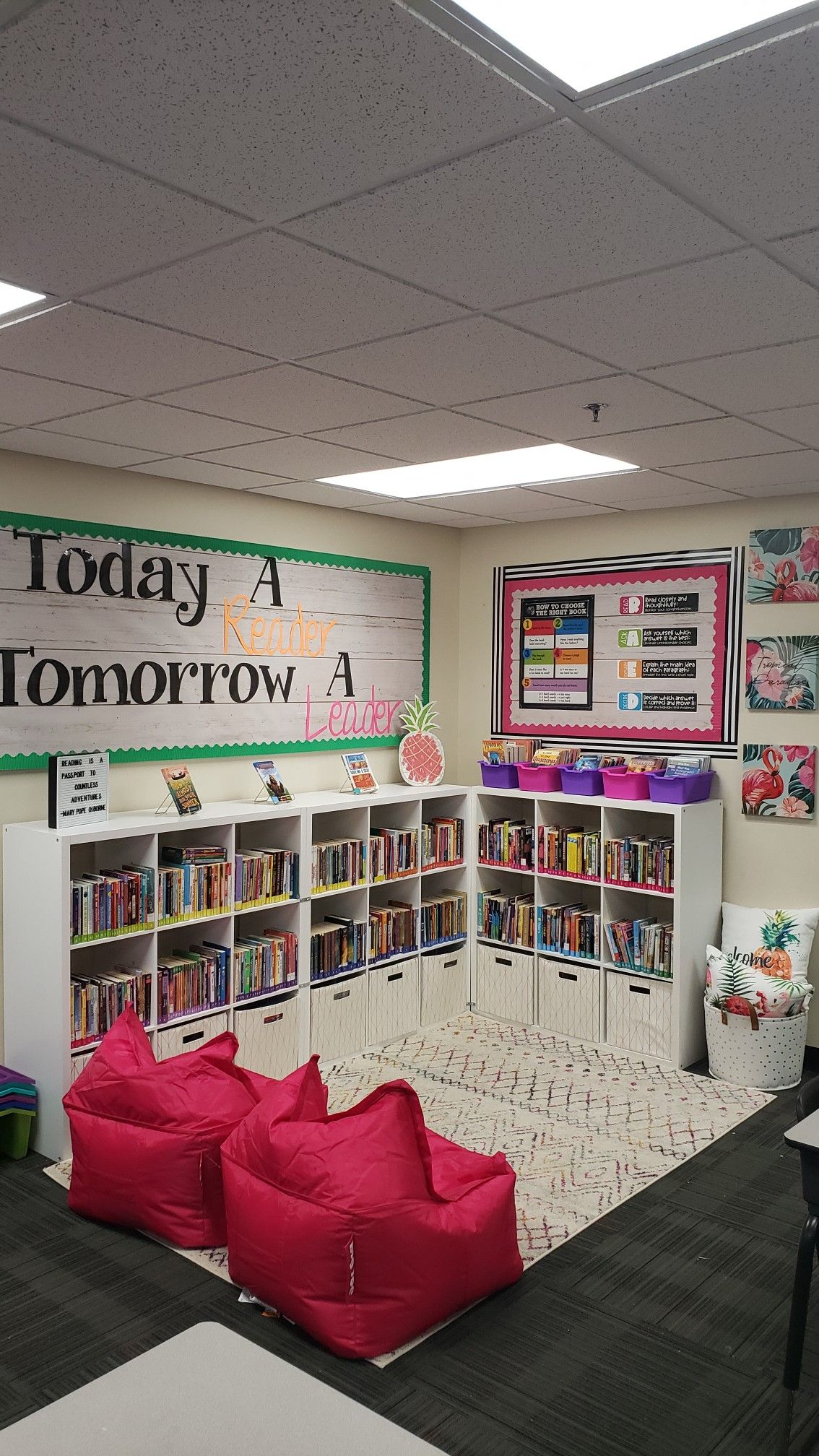
1. **Shelving system** – Use low, sturdy bookcases with adjustable shelves to accommodate various book sizes and accommodate growth in your library collection.
2. **Signage and labels** – Use clear and concise signs, labels, or color-coding to categorize books by genre, reading level, or other relevant criteria, making it simple for students to find and shelve books independently.
Diverse Book Selection
Offering a wide range of books exposes students to various ideas, perspectives, and styles, fostering cognitive growth and cultural understanding:

1. **Literary genres** – Include fiction and non-fiction books across diverse genres to cater to various reading preferences and learning styles.
2. **Multicultural literature** – Represent diverse backgrounds and experiences by incorporating books featuring characters from various ethnicities, genders, and abilities.
Encouraging Exploration and Engagement
To foster a love for reading and promote independent learning, consider these engagement strategies:
1. **Book displays** – Regularly update eye-catching displays to showcase new arrivals, themed books, or student recommendations, enticing students to explore new titles.

2. **Librarian-in-residence** – Allocate time for you or a designated student “librarian” to assist students in finding books, making recommendations, or facilitating book talks to generate excitement about reading.
Monitoring and Maintaining the Collection
Regular upkeep ensures your classroom library remains a valuable resource for your students:
1. **Inventory management** – Conduct periodic book inventories to track missing, damaged, or overdue items, and ensure accuracy in your library’s record-keeping.
2. **Fundraising and book drives** – Organize fundraising events or book drives to.replace worn-out books, acquire new titles, and expand your library’s collection continuously.

Embracing the potential of a well-curated classroom library can enrich your students’ educational journey. By thoughtfully planning and maintaining your library space, you’ll foster a love for reading, unlocking boundless opportunities for academic growth and personal exploration. So, go ahead, transform your classroom into a literary haven that sparks curiosity and inspires lifelong learning!


